
How to Setup a Tetra Pak Packing Facilities
by Amol Ghodke
January 28, 2024
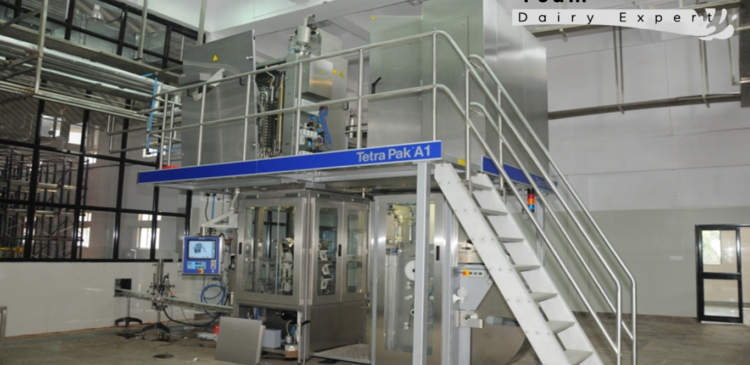
Setting up a Tetra Pak packing facility requires meticulous planning, attention to detail, and adherence to strict standards to ensure the quality and safety of packaged products. The following steps outline the main planning and commissioning considerations.
- Project Planning:
- Begin by defining the scope, objectives, and timeline of the project. Identify key stakeholders and establish clear communication channels. Conduct feasibility studies to assess market demand, competition, and regulatory requirements. Develop a detailed project plan encompassing all phases from design to production.
- Basis of Design:
- Determine the specific requirements of your Tetra Pak packing facility based on the types of products you intend to package. Consider factors such as packaging material, filling technology, production capacity, and automation level. Collaborate with Tetra Pak experts to design a facility tailored to your needs.
- Product Classification:
- Classify products by acidity, composition and intended storage conditions before selecting a validated process. Shelf-stable low-acid milk requires commercial sterility, for example through UHT treatment combined with aseptic filling; ordinary pasteurization alone is not sufficient for ambient storage. Pasteurized milk requires refrigeration. Processing and filling requirements for acidic beverages must likewise be validated for the particular product and packaging system. See Tetra Pak’s long-life dairy processing guidance and packaging and distribution guidance.
- Shelf life also depends on the recipe, raw-material quality, validated process, package integrity and storage conditions; it must be established by suitable testing rather than assumed from the carton format.
- Utility Planning:
- Assess the utility requirements for your packing facility, including water, electricity, steam, and compressed air. Ensure reliable and efficient supply systems to support production operations. Consider energy-saving technologies and sustainable practices to minimize environmental impact and operational costs.
- Ventilation & Environmental Analysis:
- Evaluate the ventilation and environmental conditions of the facility to maintain hygiene and product quality. Design HVAC, hygiene zoning and air filtration for the process requirements. Room ventilation alone does not make a production process sterile; the product-contact system and filling zone require their own validated controls.
- Aseptic Product Development:
- Collaborate with food technologists and product development experts to formulate aseptic products suitable for Tetra Pak packaging. Conduct trials to optimize product formulations, packaging materials, and processing parameters. Ensure product safety, quality, and sensory attributes meet consumer expectations.
- Team Training:
- Invest in comprehensive training programs for your production team to ensure they understand Tetra Pak equipment operation, maintenance, and hygiene protocols. Train personnel in aseptic techniques, quality control procedures, and emergency response protocols. Foster a culture of continuous improvement and teamwork.
- Sterility Trials:
- Conduct sterility trials to validate the effectiveness of your aseptic processing and packaging systems. Perform microbiological testing on product samples to verify microbial safety and shelf stability under various storage conditions. Document trial results and adjust processes as needed to achieve regulatory compliance.
- Commercial Production:
- Once all preparations are complete and regulatory approvals obtained, commence commercial production. Monitor production processes closely to ensure compliance with quality standards and regulatory requirements. Implement robust quality assurance and traceability systems to safeguard product integrity throughout the supply chain.
Use this as a planning overview, not an operating procedure or a substitute for process validation. A qualified process team and the equipment supplier should approve the design and commissioning criteria before commercial production.
Author: Amol Ghodke, dairy consultant for aseptic packaging and greenfield and brownfield dairy projects.